The Gard is a department in Occitania that stretches from the Cévennes to the Mediterranean. It boasts three UNESCO World Heritage sites, charming villages marked by Roman heritage, and two natural parks located right next to each other.
From Camping Les Amandiers, in Gallargues-le-Montueux, most of these sites can be reached within a day trip.
The Pont du Gard is one of Europe’s best-preserved Roman structures, a UNESCO World Heritage site since 1985. This aqueduct, which brought water from the springs of Uzès to Nîmes, welcomes over a million visitors per year. It is located in Vers-Pont-du-Gard, about twenty kilometers from Nîmes. You can swim below it.
Nîmes, the department’s prefecture, has the highest concentration of monuments. Its arena, built in the 1st century, could accommodate over 20,000 spectators. It can be visited year-round and hosts shows and reenactments. The Maison Carrée, built during the same period, has changed its use several times over the centuries.
After Nîmes come Alès, near the Cévennes, and Bagnols-sur-Cèze, near the Rhône. Two active towns, at the gateway to very different areas.
As for villages, La Roque-sur-Cèze is built on a rock above the river, with views of the surrounding waterfalls. Uzès, a City of Art and History, surprises with its architecture and three towers. Lussan, Barjac, and Sommières complete the list of charming villages, several of which have received the label of ‘Most Beautiful Villages of France’.
On the coast, Aigues-Mortes and Le Grau-du-Roi are just a stone’s throw from the Mediterranean, amidst medieval ramparts, salt marshes, and Camargue traditions.
The department is divided into large areas: the Cévennes to the north, the Camargue Regional Natural Park to the south in the wetlands, the garrigues in the center, and the alluvial plains bordering the Bouches-du-Rhône.
Among the natural sites to see are: the Trabuc cave, the Gardon gorges, the Concluses de Lussan, and the Cirque de Navacelles. The Cévennes National Park, which spans several departments, is home to nature reserves, waterfalls, gorges, and caves.
In the Camargue, the marshes and wetlands host protected species, including pink flamingos and Camargue horses.
During the day, the campsite comes alive with various activities. On the sports side, you can enjoy:
The Mediterranean climate allows many floral species to thrive. The Bambouseraie en Cévennes, near Anduze, is ranked among the most beautiful gardens in France.
Canyoning, paddleboarding, caving, climbing: the Gard’s terrain is perfect for outdoor activities. The department has 9,000 km of marked hiking trails. The Vidourle cycling loop allows you to cross the Gard Camargue by bike.
The Nîmes arena hosts Roman reenactments, and Uzès has its medieval festivals. In summer, festivals and events enliven the season throughout the department.
The Cévennes steam train and the rail bike, which can accommodate up to 5 people, are two classics popular with children. Several adventure parks and water parks complete the offerings.
Camargue rice, bull meat, Uzès truffles, and Pélardon des Cévennes, a goat cheese, are among the department’s emblematic products. Several benefit from AOP or IGP labels.
The Cévennes contribute sweet onions, capon, and chili peppers. For wines, the Gard is one of France’s oldest wine regions, with AOP Côtes du Rhône and Languedoc. Local cuisine is based on fresh Mediterranean climate products, with olives and olive oil at the forefront.

Camping Les Amandiers welcomes you from April to September in a wooded park, halfway between Nîmes and Montpellier, away from the hustle and bustle of large seaside resorts. This central location allows you to explore both the Gard and the Hérault.
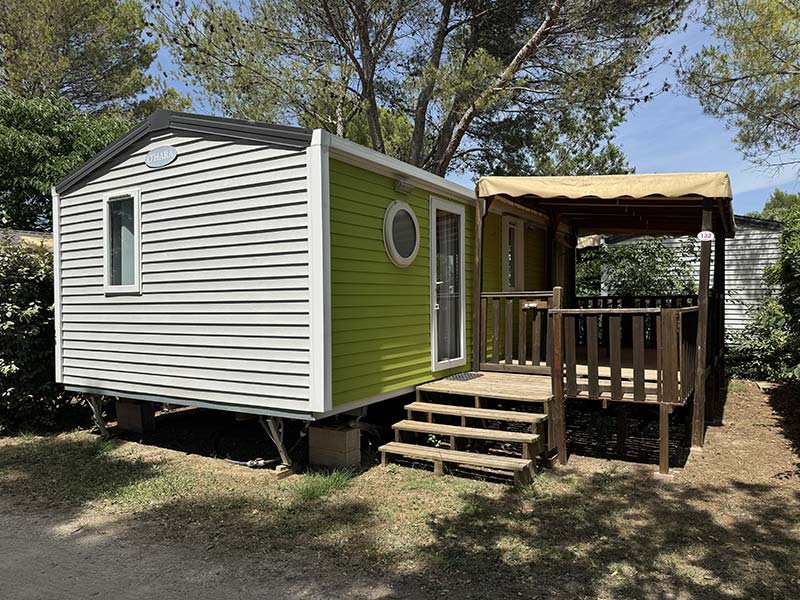
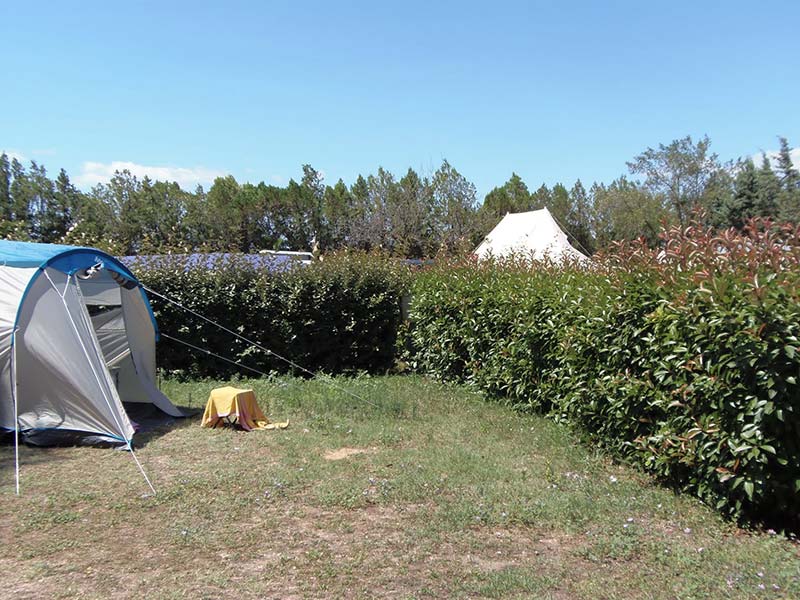
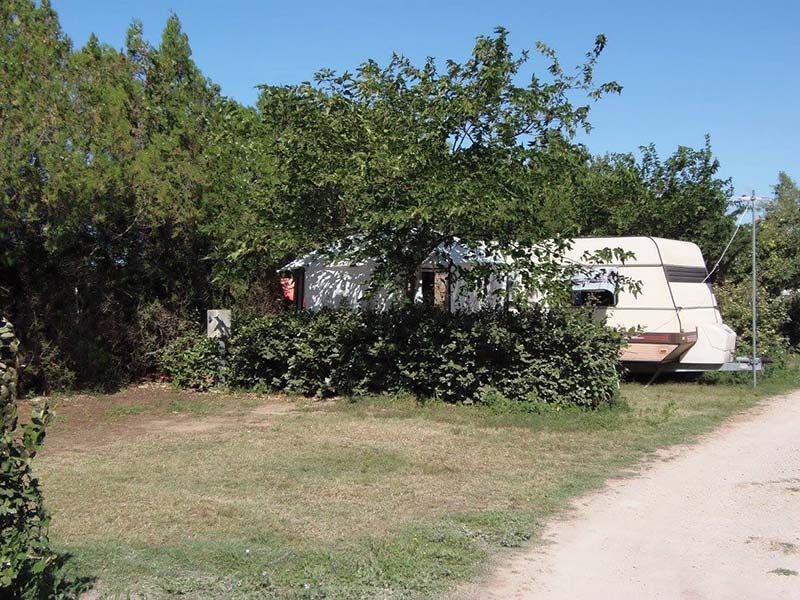
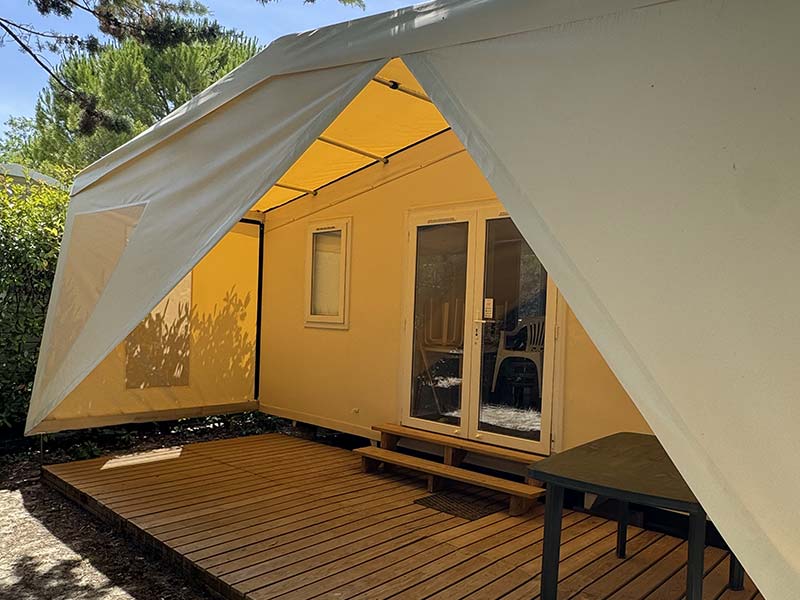
You can choose between a mobile home for 2 to 4 people, a family model for 5 to 6 people, unusual accommodation, or a campsite pitch. Rentals are available for a weekend or a longer stay.
Mobile Homes
The Pont du Gard has been a UNESCO World Heritage site since 1985. The Causses and Cévennes are also listed as cultural landscapes of Mediterranean agro-pastoralism, and several sites in the department are part of the Routes of Santiago de Compostela in France.
Nîmes museums, including the Museum of Romanity and the Carré d’Art, can be visited in any weather. The Trabuc cave and other cavities in the department offer a constant temperature. The Cévennes steam train also operates in the rain.
Spring and early autumn offer the best conditions: mild temperatures, fewer crowds, and lush vegetation. In July and August, the heat encourages morning visits and aquatic activities in the afternoon.
Departmental specialties include Camargue rice, bull gardianne, Nîmes brandade de morue, Pélardon des Cévennes, and sweet onions. Uzès truffles and wines from the AOP Côtes du Rhône and Languedoc complete the table.
Camping Les Amandiers, a 4-star campsite in Gallargues-le-Montueux, is located halfway between Nîmes and Montpellier, allowing easy access to both the Cévennes to the north and the Camargue and beaches to the south. It offers mobile homes for 2 to 6 people and pitches for tents and caravans, from April 1st to September 20th.