The Hérault is one of the most visited departments in France. Perched villages, gorges, vineyards, and seaside resorts sit side-by-side in a territory that stretches from the Mediterranean to the foothills of the Cévennes.
From Camping Les Amandiers, located between Nîmes and Montpellier on the border of the two departments, you can easily access both Hérault and Gard.
Montpellier is the department’s capital and blends modern buildings with ancient heritage. You’ll find the Porte du Peyrou, a triumphal arch built to the glory of Louis XIV, the Miséricorde pharmacy, the prefecture building, and Saint-Pierre Cathedral.
The department also has several abbeys. The Gellone Abbey, in Saint-Guilhem-le-Désert, is the most famous for its Romanesque art. The Valmagne Abbey, a Cistercian abbey in the heart of the vineyards near the Thau Lagoon, offers organic wine tastings from its estate.
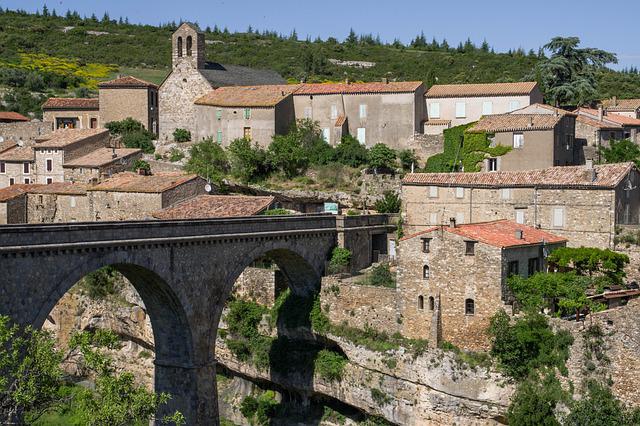
You’ll also come across several bridges and viaducts of Roman or medieval origin, notably in Lunel and Saint-Thibéry. Hérault has more than 1,500 historic sites and buildings.
The Hérault coastline stretches for dozens of miles and is home to many seaside resorts: Sète, Agde, Marseillan, or La Grande-Motte. The fishing ports are also worth a visit, like Bouzigues on the Thau Lagoon, famous for its oysters.
In the hinterland, the perched villages between scrubland and hills maintain a strong character: Saint-Guilhem-le-Désert, Olargues, Minerve, or Roquebrun. Further west, Béziers and the Canal du Midi, which connects the Atlantic to the Mediterranean, complete the list.

The Hérault Gorges are among the most striking natural sites in the department. They stretch along both banks of the river, between mountains, caves, and valleys, and bring together three major sites: the Cirque de l’Infernet, Saint-Guilhem-le-Désert, and the Clamouse Cave.
The Cirque de Navacelles, straddling Hérault and Gard, is an abandoned meander carved by the Vis River into the Blandas and Larzac limestone plateaus. It is one of the widest canyons in Europe.
To the north, the Cévennes offer a mountainous landscape. The Cévennes National Park, which spans several departments and covers over 2,200 km², is one of the largest national parks in France and plays an important role in preserving biodiversity.
During the day, the campsite comes alive with various activities. On the sports side, you can enjoy:
The coastal beaches offer scuba diving, flyboarding, sailing, or jet skiing. For quieter activities, the Thau Lagoon and the Canal du Midi are perfect for boat trips and canoeing or kayaking.
Adventure parks, the dinosaur museum in Mèze, eco-friendly horseback rides to meet the animals of the Camargue: there’s plenty for families to do throughout the department.
The Pic Saint-Loup GR is the most famous trail in the hinterland, on a largely undeveloped summit. Other circuits cross the limestone plateaus, vineyards, and riverbanks. Around the Thau Lagoon, designated bike paths allow you to discover nature by bicycle, and the department has many mountain biking trails. On the Gard side, check out the most beautiful hikes in Gard.
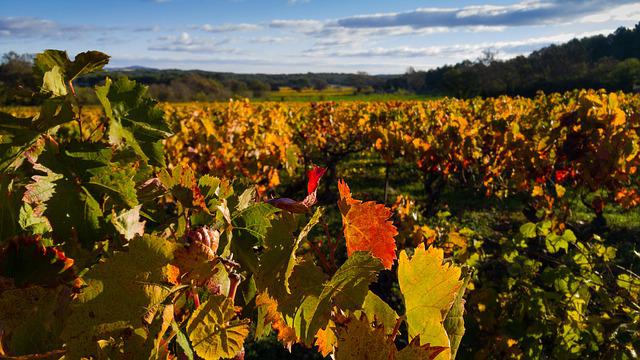
Hérault is one of the most important wine-growing regions in France. Vine cultivation here dates back to antiquity, developed by the Greeks and then continued by monks at the foot of their monasteries.
Among the appellations to know are Clairette du Languedoc and AOC, AOP, and IGP grape varieties in red, rosé, and white. Organic production is taking an increasing share. The Hérault Wine Tour lists the estates that can be visited.
Camping Les Amandiers is located on the border of Gard and Hérault, 20 km from the seaside resorts of La Grande-Motte and Le Grau-du-Roi. A wooded setting, away from the hustle and bustle of the coast, which allows you to visit both departments.
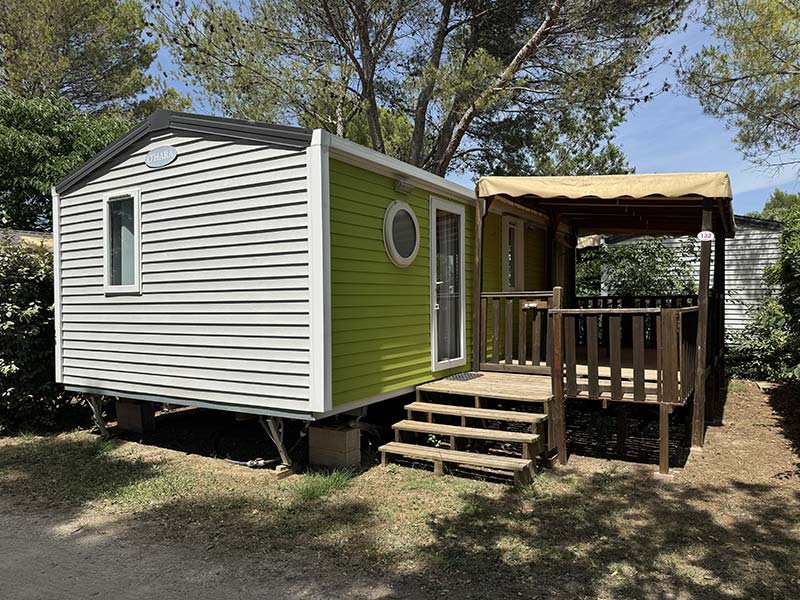
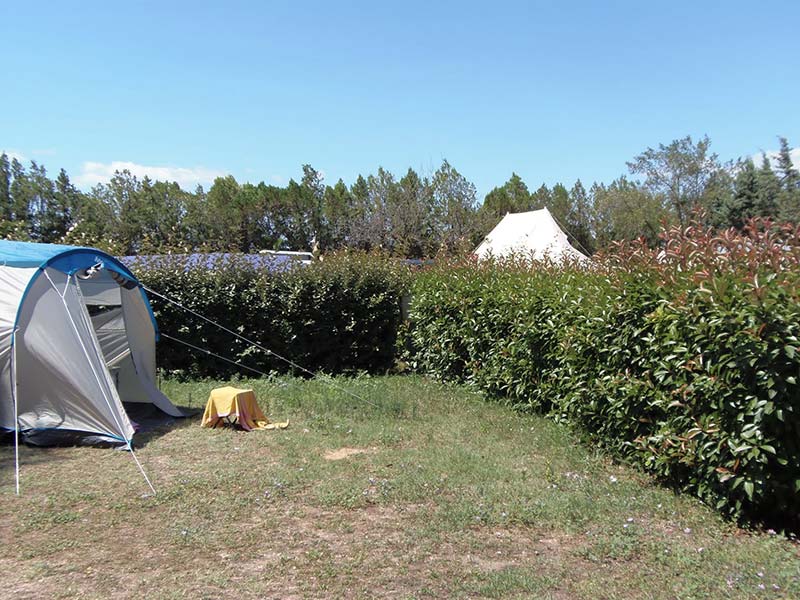
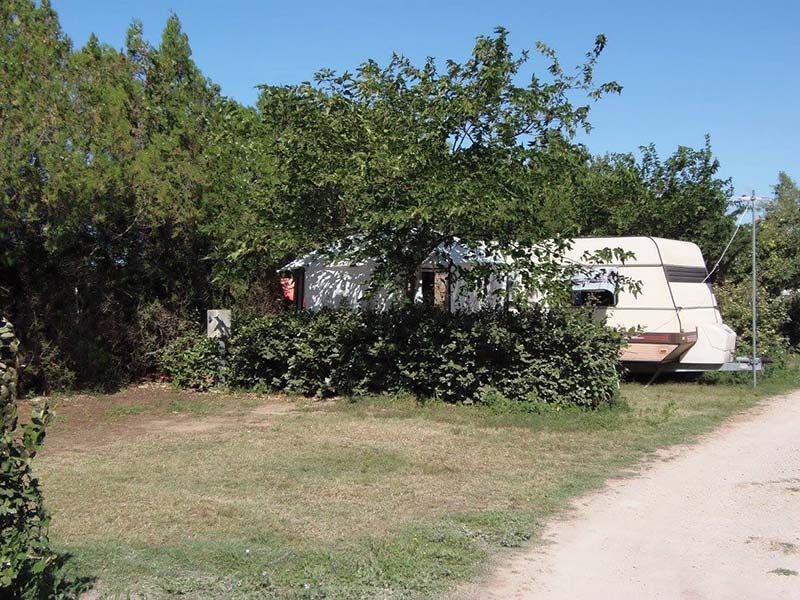
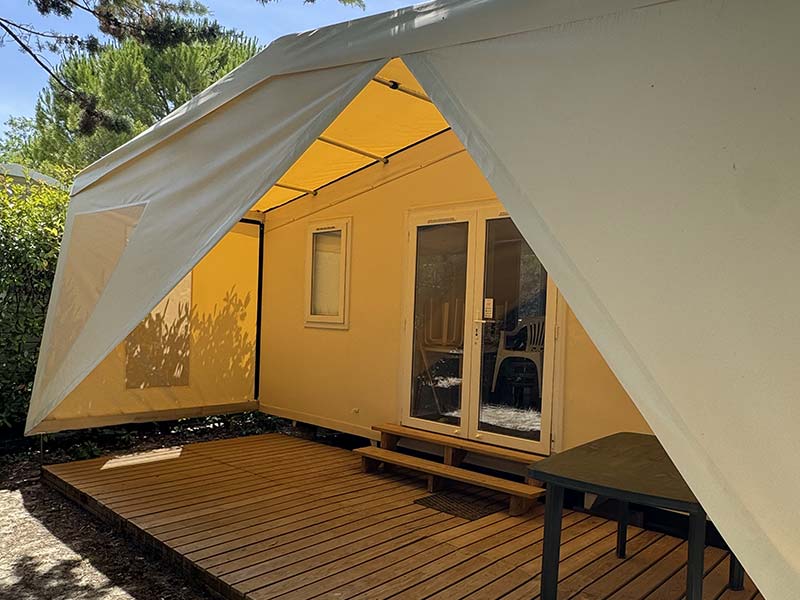
From April to September, you have the choice between mobile homes for 2 to 6 people, unusual accommodations, and pitches for tents, caravans, and motorhomes. The campsite is one of the few establishments in the area to offer nightly stays.
Mobile Homes
The must-sees are Montpellier and its historic center, Saint-Guilhem-le-Désert and the Gellone Abbey, the Hérault Gorges with the Clamouse Cave, the Cirque de Navacelles, Sète and the Thau Lagoon, as well as Béziers and the Canal du Midi.
Saint-Guilhem-le-Désert, Olargues, Minerve, and Roquebrun are among the most remarkable villages in the Hérault hinterland, all perched between scrubland and hills.
Bouzigues, on the Thau Lagoon, is the most famous port for oyster farming. Marseillan and Mèze, also located around the lagoon, offer tastings directly from the producers.
Yes, the department has many estates open to visitors, notably around Pic Saint-Loup and the Valmagne Abbey, which produces organic wines. The Hérault Wine Tour lists the accessible cellars and estates.
Camping Les Amandiers, a 4-star campsite in Gallargues-le-Montueux, is located on the border of the two departments, between Nîmes and Montpellier. It offers mobile homes for 2 to 6 people and pitches for tents and caravans, with the possibility of booking by the night in the low season.